


How does a briquette press machine work
You see a briquette press machine turn loose powder into solid briquettes using a roller press mechanism. The DH Series from Jiangsu Fuyi Machinery Technology Co., Ltd. shows modern technology at work.
Two rolls rotate in opposite directions at matched speed. The raw material falls in, gets squeezed at high pressure, and forms solid briquettes. The pressure removes air and binds the particles together.
Understanding this simple process helps you see how waste materials become useful products.
Key Takeaways
A briquette press machine transforms loose materials into solid briquettes using high pressure and a roller press mechanism.
Proper material preparation is crucial. Crush materials to less than 5mm and control moisture levels for strong briquettes.
Adjust machine settings like roller speed and pressure to optimize briquette quality for different materials.
Using the right binder can enhance briquette strength and density, making them more effective for burning or storage.
Regular maintenance of the briquette press machine ensures smooth operation and longevity, keeping production efficient.
Briquette Press Machine Components
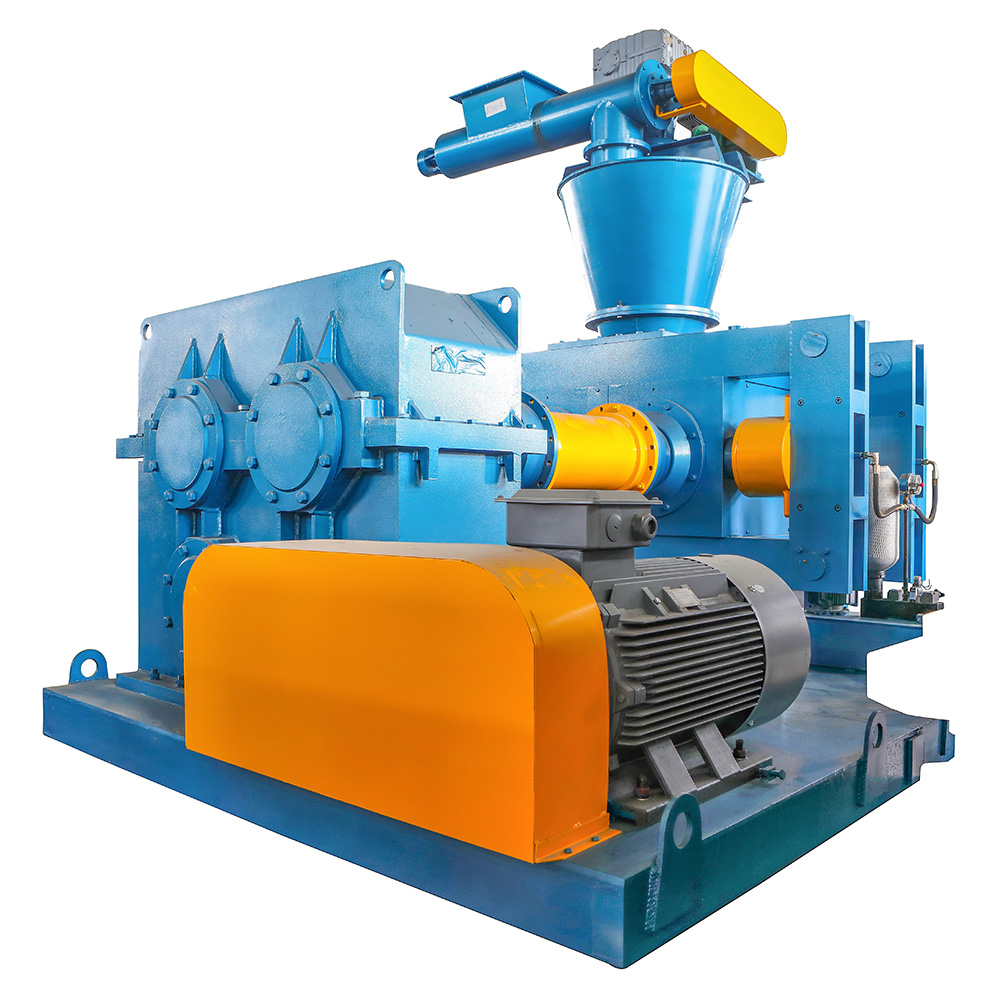
A briquette press machine uses several key parts to turn loose material into strong, uniform briquettes. Each part plays a special role in making sure you get high-quality results.
Feed System
You start with the feed system. This part moves your raw material into the machine. You can choose between gravity feed, which works well for larger, free-flowing pieces, or forced feed, which is better for fine powders. The DH Series lets you pick the right feeder for your material. Before feeding, you should reduce the material to a uniform size and remove impurities. This helps the briquette press machine make stronger briquettes.
Tip: Keeping the particle size consistent gives you better briquette strength and smoother production.
Pressing Rollers
Next, the pressing rollers do the main work. In the DH Series, you get one fixed roller and one floating roller. These rollers squeeze the material at high pressure. The rollers are made from wear-resistant materials, like high-chromium alloy, so they last longer and keep working well. You can also adjust the roller speed and choose different shapes or sizes for your briquettes.
Roller Material | Durability Impact |
|---|---|
Standard Steel | Fails within weeks |
Manganese Steel (65Mn) | Wears quickly |
High-Chromium Alloy (9Cr2Mo) | Lasts 5 to 10 times longer |
Hydraulic System
The hydraulic system controls the pressure. It uses a strong, one-piece cast cylinder to handle high pressure for a long time. This keeps the machine safe and efficient. The system also helps you adjust the pressure for different materials, making sure each briquette is dense and uniform. It reduces dust and lowers the risk of explosions by compacting fine particles.
Ejection Mechanism
After pressing, the ejection mechanism pushes the finished briquettes out. The DH Series uses hydraulic ejection for quick and smooth release. This keeps your production fast and your briquettes in good shape.
Mechanism Type | Effect on Speed | Effect on Product Integrity |
|---|---|---|
Hydraulic Systems | Quick ejection | Maintains shape and density |
Ejection Designs | Efficient release | Ensures uniform, dense briquettes |
You can customize many parts of the DH Series, like feeders, roller speed, and briquette shapes or sizes. This helps you get the best results for your needs.
Briquette Press Machine Process
Material Preparation
You start the process by preparing your raw materials. You need to crush the material to a size smaller than 5mm. A hammer mill or crusher works well for this step. You must control the moisture content. Drying the material in a rotary drum dryer or belt dryer helps you reach the ideal moisture level. For biomass, aim for 8-12%. For coal, keep it between 12-15%. If you use a binder, mix it evenly with the material using a double-shaft mixer.
Tip: Moisture control is important. Too much moisture weakens the briquettes. Too little moisture makes them crack.
Here is a simple list of steps for material preparation:
Crush the raw material to less than 5mm.
Dry the material to the right moisture level.
Mix in binder if needed.
Feed the prepared material into the briquette press machine.
Factor | Effect on Briquette Quality |
|---|---|
Particle Size | Smaller particles increase strength and density. |
Moisture Content | Moderate moisture improves bonding and efficiency. |
Binder | More binder increases density with fine particles. |
Compression and Shaping
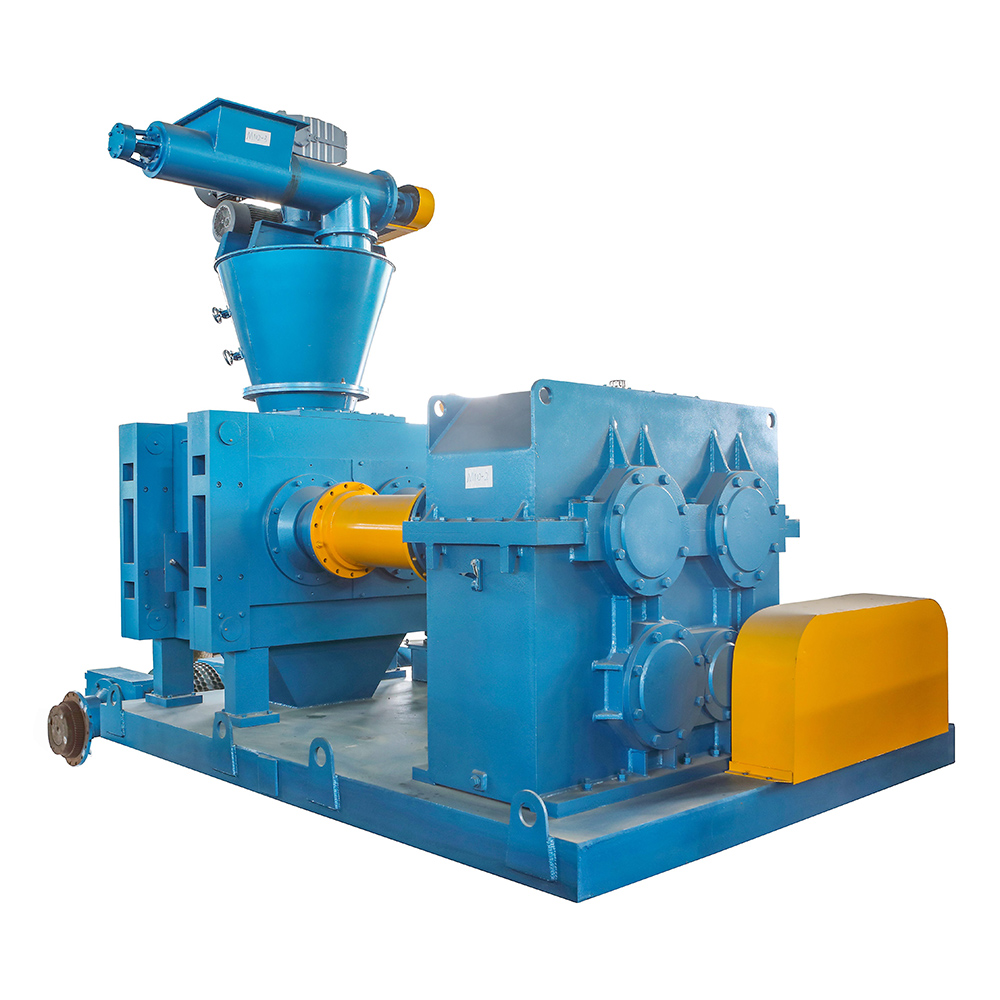
You move the prepared material into the briquette press machine. The DH Series uses two large rollers that rotate in opposite directions. These rollers pull the material into the nip zone. The rollers squeeze the material with high mechanical pressure. This pressure compacts the material and forms it into a solid briquette.
The rollers have shaped pockets. Each pocket forms half of a briquette. When the rollers press together, they create a complete briquette. This mechanism works for many materials, including coal, biomass, and metal powders. You can use binders or press without them, depending on your needs.
The DH Series adapts to different materials and binders. You can adjust roller speed and choose the shape and size of your briquettes.
Material Type | Roller Setting Needed | Briquette Shape Options |
|---|---|---|
Biomass | Medium pressure | Pillow, oval, round |
Coal | High pressure | Pillow, square |
Metal Powder | Custom pressure | Custom shapes |
Briquette Discharge
After shaping, the briquette press machine pushes the finished briquettes out. The DH Series uses a hydraulic ejection system. This system releases the briquettes quickly and keeps their shape. You can cool or dry the briquettes to make them stronger. If you want premium charcoal, you can carbonize the briquettes in a kiln.
Note: Cooling and drying help the briquettes stay strong and last longer.
Here is the full process in order:
Prepare and crush the material.
Dry and mix with binder.
Feed into the briquette press machine.
Compress and shape with counter-rotating rollers.
Eject, cool, and dry the finished briquettes.
You can use the DH Series for many materials and adjust settings for your needs. This makes the process flexible and reliable.
Press Mechanism Details
Pressure Application
You see the heart of the process in the way the machine applies pressure. The press mechanism uses strong force, usually between 80 and 200 MPa, to squeeze the material. This high pressure pushes out air and makes the particles stick together. The particles change shape under pressure, which helps them form a solid mass. When you add a binder, the briquettes become even stronger and denser. This step increases the energy value of each briquette, making them better for burning or storage.
Here is a table that shows the main parts involved in the press mechanism:
Component | Description |
|---|---|
Pocketed Rolls | Compress the material into briquettes. |
Force-Feed Screw | Feeds material evenly into the press. |
Hydraulic Nip Loading System | Applies pressure for effective briquette formation. |
Drive Train | Moves the rolls and other parts. |
Binder Mixer (Upstream) | Mixes binder with material for strength. |
Curing Conveyor | Cures briquettes for durability and storage. |
Role of Heat (if used)
You may use heat during the briquetting process, especially when working with biomass. Heat helps remove extra moisture and changes the structure of the material. When you heat the material, you lower the moisture content and increase the fixed carbon. This makes the briquettes burn longer and cleaner. Heat also helps control the amount of volatile matter, which can affect how the briquettes perform. If you want high-quality briquettes, you should pay attention to the role of heat.
Tip: Use heat carefully to improve briquette quality, especially for charcoal or biomass.
Forming Briquette Shape
You control the final shape and size of your briquettes by adjusting several factors. The amount of water, the type and amount of binder, and the kind of material all play a role. The design of the rolls in the briquette press machine also matters. The rolls have special pockets that shape the material as it is pressed.
Adjust the water in the mixture.
Choose the right binder and amount.
Pick the best type of material.
Set the roll design for your desired shape.
The rolls rotate in opposite directions and press the material into these pockets. The pressure and binder help the briquettes keep their shape. You can make different shapes and sizes by changing the roll design and machine settings.
Factors Affecting Performance
Material Type
You need to choose the right material for your briquettes. Different materials affect how well your machine works and the quality of your briquettes. For example, biomass briquettes can reach an energy conversion efficiency of 85-90%. This is higher than coal, which has an efficiency of 70-75%. You can use agricultural waste, such as crop stalks, husks, and straw. These materials are easy to find and renew every season. They help you keep your production steady and reliable. In fact, agricultural waste is expected to make up almost 40% of the biomass briquette market by 2026.
Biomass briquettes offer high energy efficiency.
Agricultural waste is stable and widely available.
Crop by-products provide a steady supply for your machine.
Moisture Content
You must control the moisture in your raw materials. If the material is too wet or too dry, your briquettes may crack or fall apart. The best moisture content for most materials is between 10% and 30%. You can measure this using the wet basis method, which compares the water mass to the total mass of your sample. If you keep the moisture below 12%, you lower the risk of steam cracks in your briquettes. Proper moisture helps your briquette press machine make strong, dense products.
Factor | Description |
|---|---|
Moisture Content | Keep below 12% to avoid cracks; ideal range is 10%-30% (wet basis method). |
Optimal Temperature | Each material needs a specific temperature, usually 260-350°C, for best results. |
Tip: Always check the moisture before you start pressing. This step helps you get the best briquette quality.
Machine Settings
You can adjust your machine to match your material and production goals. Change the roller speed, pressure, and temperature to get the best results. If you use different materials, you may need to change the settings each time. The DH Series lets you customize these options for your needs. When you set the machine correctly, you get uniform, strong briquettes every time.
Adjust roller speed for different materials.
Set the right pressure for dense briquettes.
Control temperature for better bonding.
By paying attention to these factors, you can improve the performance and output of your briquette press machine.
You see how a briquette press machine turns raw materials into strong, high-density briquettes. You feed the material, set the rollers, and adjust the pressure for best results. The roller press mechanism gives you stable and efficient operation. The DH Series offers you a reliable and customizable solution for many industries.
Feature | Description |
|---|---|
High Output | Produces large amounts of briquettes efficiently |
Energy-Saving | Uses less power, saving you money |
Stable Operation | Runs smoothly for consistent results |
Adaptability | Handles many types of raw materials |
Continuous Use | Works 24 hours for big projects |
FAQ
What materials can you use in a briquette press machine?
You can use coal, biomass, metal powders, gypsum, and other fine materials. The DH Series adapts to many types, so you can choose what fits your needs.
How do you control the shape and size of briquettes?
You select the roll design and adjust machine settings. The DH Series lets you pick from different shapes and sizes, like pillow, oval, or custom forms.
Why is moisture content important for briquetting?
Moisture helps particles stick together. If you keep moisture between 10% and 30%, you get strong, dense briquettes. Too much or too little moisture weakens the product.
Can you use a binder in the process?
Yes, you can add a binder to improve strength and density. You mix it with the raw material before pressing. Some materials do not need a binder.
How often should you maintain the DH Series briquette press machine?
You should check the rollers and hydraulic system regularly. Clean the feed system and inspect wear parts. Routine maintenance keeps your machine running smoothly. ️


