


How much does a briquette machine cost
You will find that a briquette press machine can cost anywhere from $1,600 to over $60,000, based on current market listings and advanced models like the FUYI DH Series. Prices shift due to machine type, features, and brand reputation. For example, leading companies such as Hydro Mech Datums and FTM Company see strong sales because of their technology and brand strength. You should also consider extra costs, such as shipping, installation, and maintenance, because these can impact your total investment.
Key Takeaways
Briquette press machines range from $1,600 to over $60,000, depending on type, features, and brand.
Manual machines are the cheapest option, ideal for small-scale production, while fully automatic machines offer higher efficiency for larger operations.
Consider additional costs like shipping, installation, and maintenance when budgeting for a briquette press machine.
Evaluate suppliers based on product quality, customization options, and after-sales support to ensure a valuable investment.
A good warranty and reliable technical support can save you time and money in the long run.
Briquette Press Machine Price Range
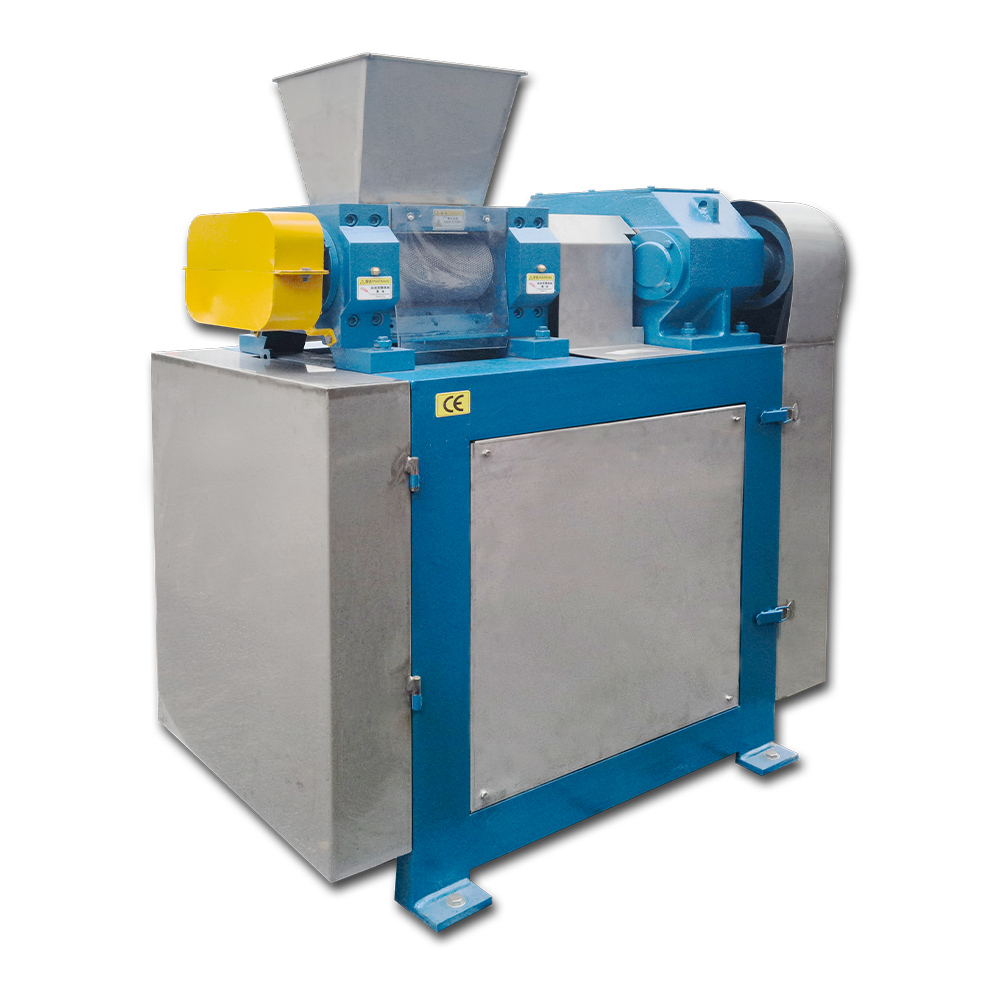
When you start looking for a briquette press machine, you will see a wide range of prices. The cost depends on the type of machine, its features, and its level of automation. Let’s break down the main categories so you can understand what to expect.
Manual Briquette Press Machine
Manual briquette press machines are the most affordable option. You operate these machines by hand, so they do not need complex technology or automation. Prices for manual models usually start around $1,600. These machines work well for small-scale production or for learning how the process works. You can use them in small workshops or for home projects. Manual machines are simple, but they require more effort and time from you.
Semi-Automatic Briquette Press Machine
Semi-automatic machines offer a balance between manual labor and automation. You will find that their prices range from $5,000 to $15,000. The cost depends on several factors:
Machine type and technology (screw, piston, or hydraulic)
Capacity and output (how many kilograms per hour the machine can produce)
Degree of automation (how much of the process is automatic)
Raw material preparation (if you need extra equipment for preparing materials)
Semi-automatic machines help you save time and increase output compared to manual models. They suit small businesses or medium-scale operations.
Fully Automatic Briquette Press Machine
Fully automatic briquette press machines use advanced technology to handle almost every step of the process. You can expect prices to start around $20,000 and go much higher, depending on the features. The cost rises when you choose machines with:
PLC-controlled systems for easy operation
Additional features like conveyors and fluid recovery systems
Higher levels of automation that reduce the need for manual work
You will benefit from faster production and less labor, but you need to invest more upfront. These machines fit well in larger businesses or factories.
Industrial Briquette Press Machine
Industrial briquette press machines are designed for high-capacity production. The price can vary a lot based on the model and output. Here is a table showing some real-world examples:
Model | Price |
|---|---|
Charcoal Briquette Press 2 Ton-hr MKBC 02 | $8,653.00 |
Charcoal Briquette Press 4Ton-hr MKBC 04 | $14,054.00 |
Charcoal Briquette Press 6 Ton-hr MKBC 06 | $19,671.00 |
Charcoal Briquette Press 8Ton-hr MKBC 08 | $28,859.00 |
Charcoal Briquette Press 10Ton-hr MKBC 10 | $41,518.00 |
Charcoal Briquette Press 15Ton-hr MKBC 15 | $51,241.00 |
Charcoal Briquette Press 20Ton-hr MKBC 20 | $122,964.00 |
Charcoal Briquette Press 30Ton-hr MKBC 30 | $147,561.00 |
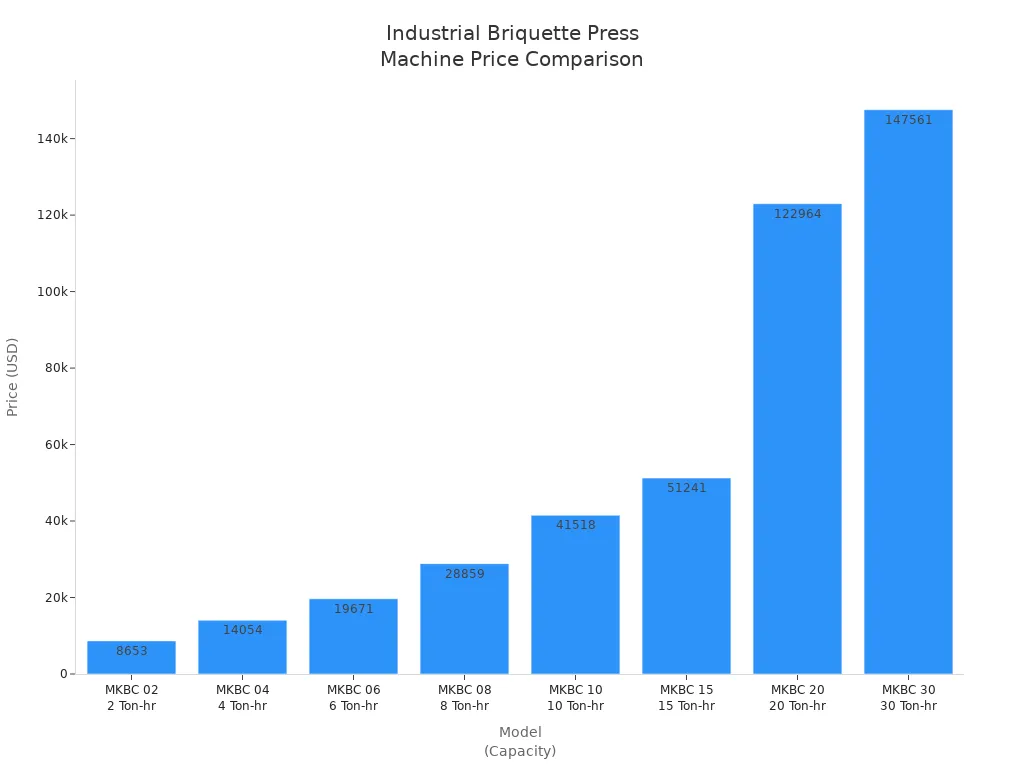
You can see that prices for industrial machines start around $8,600 and can go over $140,000 for the largest models. These machines are best for factories or companies that need to produce large amounts of briquettes every day.
Tip: When you compare industrial machines, look at both the price and the output capacity. A higher price often means you get more features and higher efficiency.
FUYI DH Series Briquetting With Roller Presses: Advanced Features and Adaptability
If you want a machine with advanced features, consider the FUYI DH Series Briquetting With Roller Presses. This series stands out because of its:
Low energy consumption, which helps you save on operational costs
High efficiency, so you can produce more briquettes in less time
Modular construction, allowing you to customize the machine for your needs
Adaptability to various materials, making it useful for many industries
Control over product strength, which means you can create high-quality briquettes
Feature | Impact on Pricing |
|---|---|
Low energy consumption | Reduces operational costs, potentially lowering price |
High efficiency | Increases productivity, justifying a higher price |
Modular construction | Allows customization, which can increase costs |
Adaptability to various materials | Expands market appeal, influencing pricing strategy |
Control over product strength | Enhances product quality, which can command a premium price |
The FUYI DH Series offers a strong frame, customizable pressing rollers, and a smart feeding system. You can choose the shape and size of your briquettes. The machine also keeps dust low and is easy to maintain. These advanced features and adaptability can increase the price, but they also give you more value and flexibility for your investment.
Factors Affecting Cost
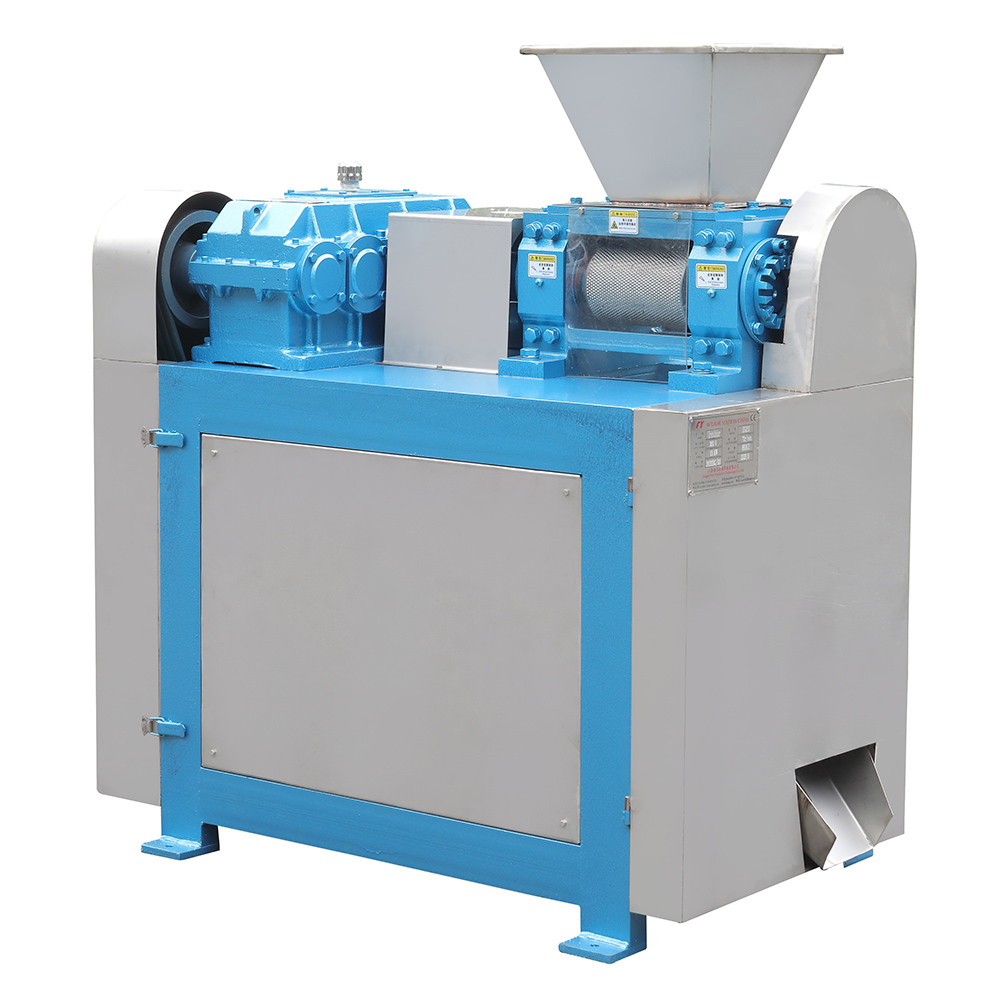
When you look at the price of a briquette press machine, you will notice that several factors play a big role. Understanding these factors helps you make a smart choice and plan your budget.
Capacity and Output
The size and output of the machine affect the price the most. Machines that can make more briquettes each hour usually cost more. High-capacity machines can run all day and handle large amounts of material. They use strong parts and advanced designs to keep working without stopping. Take a look at this table to see how different features can change the price:
Feature | Description | Impact on Pricing |
|---|---|---|
Output forming steady | Keeps material flowing smoothly | Higher efficiency leads to higher cost |
Long life | Uses strong steel parts for longer use | Durability increases overall price |
High capacity | Can work 24 hours without stopping | Higher capacity machines are pricier |
Easy operation | More automation, less need for workers | Automation features add to cost |
Technology and Automation
Modern machines use smart technology to make work easier. If you choose a machine with automatic controls or special feeding systems, you will pay more. The FUYI DH Series, for example, offers customizable rollers and advanced feeding systems. These features help you get the right size and shape for your briquettes. They also make the machine safer and more efficient. Machines with more automation save you time and reduce mistakes, but they cost more upfront.
Brand and Origin
The brand and where the machine is made also affect the price. Well-known brands often use better materials and offer stronger support. You might pay more for a trusted brand, but you get better build quality and longer service life. Here is a table that shows some important factors:
Factor | Description |
|---|---|
Capacity | Bigger machines cost more |
Roller Material | Stronger rollers last longer and cost more |
Brand and Build Quality | Trusted brands charge more for better quality |
Additional Features | Extra parts and options add to the price |
Materials Processed
The type of material you want to press also changes the cost. Some machines can handle many materials, like metal, gypsum, or industrial waste. If you need a machine that works with tough or sticky materials, you may need special rollers or feeding systems. The FUYI DH Series can be customized for different materials, which adds value but can also raise the price.
Note: Machines with dust control and easy maintenance features help you save money over time. They create a cleaner workspace and reduce repair costs.
Additional Costs
When you buy a briquette press machine, you need to think about more than just the price of the machine. Several extra costs can affect your total investment. Knowing these costs helps you plan better and avoid surprises.
Shipping and Delivery
Shipping a briquette press machine can cost a lot, especially if you order from another country. The size and weight of the machine affect the shipping price. Some suppliers include delivery in the price, but many do not. You should ask for a shipping quote before you buy. If you live far from the supplier, you may pay more for transport.
Tip: Always check if the price includes shipping. This can save you from unexpected fees.
Installation and Setup
Once your machine arrives, you need to set it up. Some machines need special tools or skilled workers for installation. You may need to hire a technician or pay the supplier for setup services. This cost can range from a few hundred to several thousand dollars, depending on the machine's size and complexity.
Simple machines: You can often install them yourself.
Large or automated machines: You may need professional help.
Maintenance and Spare Parts
Every machine needs regular care to work well. You should budget for maintenance and spare parts. Some parts, like rollers or belts, wear out over time. Keeping spare parts on hand helps you avoid long downtimes.
Item | Estimated Cost (per year) |
|---|---|
Routine checks | $200 - $500 |
Spare parts | $300 - $1,000 |
Lubricants | $100 - $300 |
Training and Support
You and your team may need training to use the machine safely and efficiently. Some suppliers offer free training, but others charge for it. Good support helps you solve problems quickly and keeps your machine running smoothly.
Note: Ask your supplier about training options and support services before you buy.
Value Tips
Supplier Comparison
You should always compare different suppliers before you buy a briquette press machine. Each supplier offers different prices, features, and support. Make a list of what you need most. Some suppliers focus on low prices, while others offer better technology or service.
Here are some things you can check:
Product quality and reviews
Range of machine models
Customization options
Delivery times
Customer feedback
Tip: Ask for references from other buyers. This helps you learn about the supplier’s reliability.
A simple table can help you compare suppliers:
Supplier Name | Price Range | Customization | Support | Delivery Time |
|---|---|---|---|---|
Supplier A | $ | Yes | Good | Fast |
Supplier B | $$ | Limited | Average | Medium |
Supplier C | $$ | Yes | Excellent | Slow |
Warranty and Service
You should check the warranty before you buy. A good warranty protects you from unexpected problems. Most suppliers offer at least one year of coverage. Some offer longer warranties for key parts like rollers or motors.
Read the warranty terms carefully.
Check what parts and repairs the warranty covers.
Ask if you can buy an extended warranty.
Note: A longer warranty often means the supplier trusts their product quality.
After-Sales Support
After-sales support helps you keep your machine running well. Good support can save you time and money. You should look for suppliers who offer:
Quick response to questions
Spare parts in stock
Training for your team
Online or phone support
If you choose a supplier with strong after-sales support, you will have fewer problems and less downtime. This support adds value to your investment and helps your business grow.
You can expect a briquette press machine to cost anywhere from $1,600 to over $60,000, with advanced models like the FUYI DH Series offering extra features and flexibility. When you compare machines, look at factors such as output, automation, and material type. Remember to include costs for shipping, setup, and maintenance. Long-term value depends on things like warranty, technical support, and spare parts availability:
Factor | Details |
|---|---|
Warranty Period | 1-2 years; longer is better |
Technical Support | Needed for setup and training |
Spare Parts | Should be easy to get |
Choose a machine that fits your needs and offers strong support for the future.
FAQ
How do you choose the right briquette press machine for your needs?
You should look at your production goals, material type, and budget. Compare machine features, output, and support. Ask suppliers for advice and check customer reviews.
What materials can you use in a briquette press machine?
You can use materials like sawdust, charcoal, coal, metal powder, gypsum, and industrial waste. Some machines, like the FUYI DH Series, handle many types of materials.
How often should you maintain your briquette press machine?
You should check and clean your machine every week. Replace worn parts as needed. Regular maintenance keeps your machine running smoothly and helps you avoid costly repairs.
Does the machine come with training or support?
Many suppliers offer training and support. You should ask about training options before you buy. Good support helps you use the machine safely and fix problems quickly.
Can you customize the size and shape of briquettes?
Yes, many machines let you choose different shapes and sizes. The FUYI DH Series, for example, offers customizable pressing rollers for various briquette designs.


