


How to operate a double roller granulator
You need to operate the double roller granulator with care and attention to detail. Safety and efficiency matter most. Always follow the manufacturer’s instructions. Jiangsu Fuyi Machinery Technology Co., Ltd. provides clear product guidelines. This machine stands out for its low energy use compared to other types:
Process Type | Energy Consumption |
|---|---|
Dry Granulation | Low |
Wet Granulation | High |
You can use it for many materials. Output stays high and stable:
Feature | Details |
|---|---|
Particle Size | 2 - 10 mm |
Production Capacity | 1 – 1.5 tons |
Applications | Fertilizers, Compost, Graphite Powder |
Key Takeaways
Always follow the manufacturer's instructions for safe and efficient operation of the double roller granulator.
Regularly inspect the machine and workspace to prevent unexpected downtime and ensure smooth production.
Adjust the roller gap and pressure to control granule size and density for optimal product quality.
Perform routine maintenance and cleaning after each production cycle to extend the machine's life and maintain performance.
Wear protective gear and follow safety protocols to protect yourself and maintain high production efficiency.
Preparation
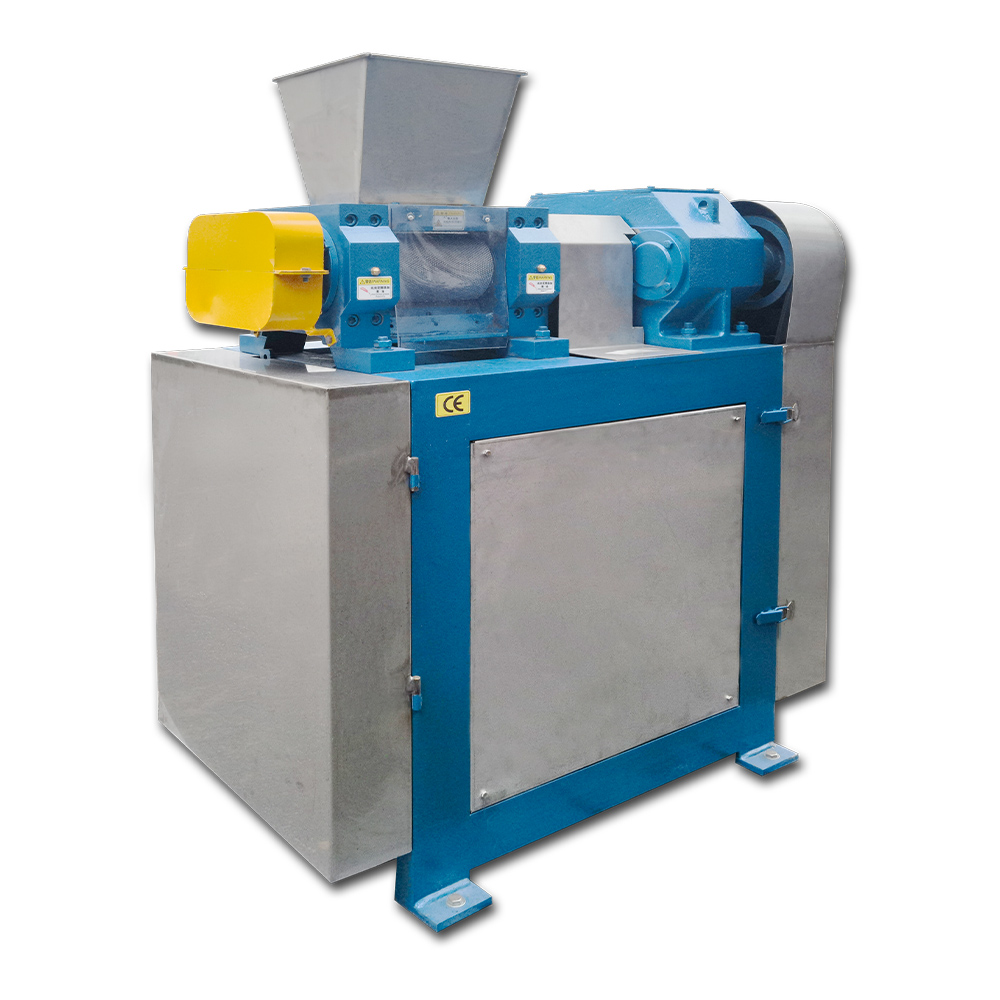
Inspecting Double Roller Granulator
You start by checking the machine and your workspace. Make sure the area stays clean and free from obstacles. Look at the main parts of the double roller granulator, including the feeding, compaction, crushing, and screening sections. Examine the rollers for wear and tear. Check the hydraulic system and the control panel. You want to see that all bolts and connections are tight. Review the technical features that set the DG Series apart from other machines:
Feature | Description |
|---|---|
Direct granulation | Processes dry powder without binders |
Mechanical extrusion | Maintains chemical properties of materials |
Adjustable gap | Consistent tablet density and granulation |
Energy efficiency | Low energy consumption and small footprint |
Easy maintenance | Simple structure for disassembly and cleaning |
PLC control | User-friendly interface for operation and learning |
Tip: Regular inspections help you prevent unexpected downtime and keep production smooth.
Preparing Materials
You select the right materials for your production needs. The DG Series handles many types of powders. You can use fertilizer materials like ammonium chloride, potassium chloride, and calcium powder. You can also process chemicals, rare earths, and biopharmaceuticals. Check the table below for common materials:
Material Type | Examples |
|---|---|
Fertilizer materials | ammonium chloride, potassium chloride, ammonium carbonate, potassium sulfate, ammonium sulfate, ammonium phosphate, calcium powder, calcium nitrate, feed |
Non-fertilizer materials | chemicals, environmental engineering, rare earth extraction, metallurgy, coal, biopharmaceuticals |
You measure and weigh your materials to match the input specifications. Uniformity matters for consistent granulation.
Safety Checks
You follow safety protocols before starting the machine. Wear protective gear like gloves and goggles. Make sure emergency stops work. Check that the workspace stays clear. Review the control system and make sure you understand the PLC interface. You address common challenges by making careful adjustments and regular checks. You learn the intricacies of the granulator through practice.
Challenge | Solution |
|---|---|
Maintaining consistency | Careful adjustments and regular checks |
Managing equipment maintenance | Regular checks to prevent unexpected downtimes |
Learning granulator intricacies | Iterative process to master granulation techniques |
Note: Safety checks protect you and your team. They also help you maintain high production efficiency.
Starting Double Roller Granulator
Powering On
You begin by checking that the main power supply is stable. Make sure the emergency stop button is not pressed. Turn on the main switch. The control panel lights up. You see the display screen. Use the PLC interface to select the correct operating mode. Set the initial parameters based on your material type. For example, you can adjust the roller speed and pressure. The DG Series Wet Type Double Roller Granulator lets you set these values with simple controls. Wait for the system to run a quick self-check. If you see any warning lights, stop and check the machine.
Tip: Always keep your hands and tools away from moving parts when you power on the machine.
Material Feeding
You prepare your powder materials before feeding. Make sure the materials are dry and uniform. Use a weighing scale to measure the right amount. Pour the materials into the feeding hopper slowly. The machine will start to draw the powder into the rollers. You can adjust the roller gap to control the size of the granules. A smaller gap makes smaller granules. A larger gap makes bigger granules. Watch the feeding rate. Do not overload the hopper. This helps you get even granulation and prevents blockages.
Check the material flow regularly.
Adjust the roller gap as needed for your product.
Stop feeding if you notice any jams or uneven flow.
Note: The double roller granulator works best when you feed materials at a steady rate.
Operation Procedures
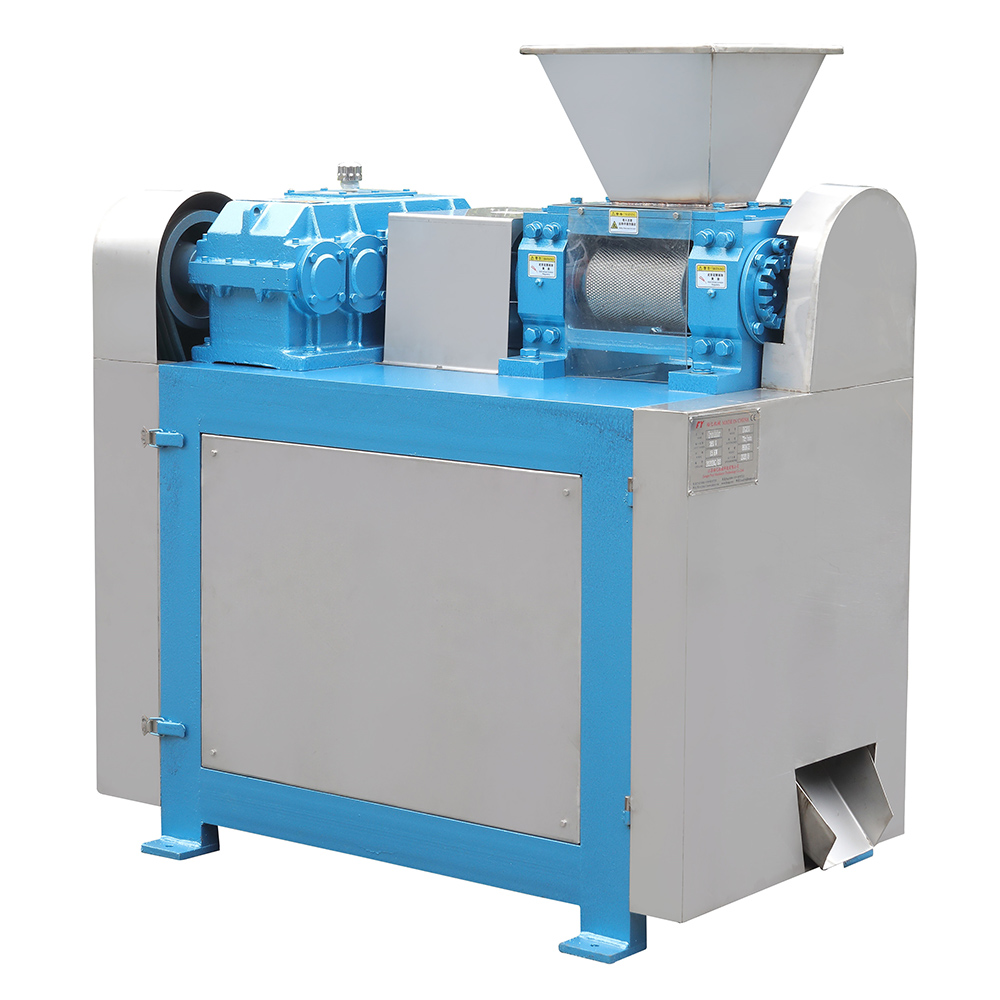
Adjusting Rollers
You control the size of your granules by adjusting the gap between the rollers. The DG Series Wet Type Double Roller Granulator lets you set the gap to match your production needs. Use the control panel to move the rollers closer or farther apart. A smaller gap creates smaller granules. A wider gap forms larger granules. You can also adjust the pressure. Higher pressure makes the granules denser and more uniform.
The DG Series produces granules in the φ4 to φ10mm range. This matches what most fertilizer and chemical factories use. See the table below for a quick comparison:
Granule Size Range | Industry Standard Comparison |
|---|---|
φ4 to φ10mm | Typical for fertilizer and chemical industries |
You should check the roller settings before each batch. Make small changes and test the results. This helps you get the best granule size for your product.
Tip: Write down your roller settings for each material. This makes it easier to repeat good results.
Monitoring Process
You need to watch the machine as it works. Look at the control panel often. Check the pressure and speed readings. Listen for any strange sounds. Watch the material as it moves through the double roller granulator. The powder should flow smoothly into the rollers. The granules should come out evenly.
If you see uneven granules or hear loud noises, stop the machine. Check for blockages or worn parts. Quick action keeps your production stable and your forming rate high. The DG Series is designed for steady output, but you must stay alert.
Check the display for warning lights.
Listen for changes in machine noise.
Watch the granule output for consistency.
Note: Careful monitoring helps you avoid problems and keeps your granulator running at its best.
Collecting Granules
You collect the finished granules from the discharge area. Use a clean container or conveyor. Make sure the area stays free of dust and leftover powder. The DG Series Wet Type Double Roller Granulator separates granules from fine powder. You can use a screening part to sort granules by size.
Collect samples from each batch. Check the size and shape. If you see too many fines or broken granules, adjust the roller gap or pressure. Clean the collection area after each run. This keeps your product pure and your machine in good shape.
Tip: Store your granules in dry, sealed containers to keep them fresh and ready for use.
Troubleshooting
Clearing Blockages
You may notice that material stops moving through the machine. This usually means a blockage has formed. First, turn off the power and wait for all moving parts to stop. Open the inspection covers. Use a brush or a soft tool to remove any stuck powder or granules. Check the feeding part and the compaction area for clumps. Clean these areas carefully. Make sure the rollers turn freely before you restart the machine. Blockages often happen when you feed wet or sticky materials. Always use dry, uniform powders to prevent this problem.
Tip: Clean the feeding hopper and rollers after each batch to keep the double roller granulator running smoothly.
Fixing Uneven Granules
You might see that some granules look bigger or smaller than others. This can affect your product quality. To fix uneven granules, follow these steps:
Inspect the die and cutter assembly. Look for any wear or damage. Replace parts if needed.
Adjust the feed rate. Make sure the feeder works well and gives a steady flow of material.
Examine temperature settings. Check the manual for the right temperature range and adjust if necessary.
Check pressure settings. Increase the pressure slowly until you get the granule density you want.
Monitor moisture content. Use raw materials with the right moisture level for good compaction.
You should check these points often. Small changes can make a big difference in granule quality.
Resolving Noises
You may hear unusual sounds during operation. These noises can signal a problem. Stop the machine and listen closely. Loose bolts or worn parts can cause rattling or grinding. Tighten all bolts and check the rollers for damage. Lubricate moving parts as recommended in the manual. If the noise continues, inspect the bearings and gears. Replace any parts that show signs of wear. Regular maintenance helps you avoid these issues and keeps your machine quiet and efficient.
Note: Always follow the maintenance schedule for the DG Series to extend its life and ensure top performance.
Shutdown & Maintenance
Shutting Down
You need to follow a clear sequence when shutting down the double roller granulator. First, stop material feeding and let the machine process any remaining powder. Next, turn off the main power switch using the control panel. Wait for all moving parts to stop completely. Always check that the emergency stop button works before leaving the machine. If you skip steps or shut down out of order, you risk damaging the equipment. Make sure upstream devices do not start until downstream equipment is ready. This prevents overfilling and mechanical damage.
Tip: Careful shutdown protects your machine and keeps your workspace safe.
Cleaning Granulator
You should clean the granulator after each production cycle. Remove leftover powder and granules from the feeding, compaction, crushing, and screening parts. Use a soft brush or vacuum to clear dust and debris. Inspect the rollers and wipe them with a dry cloth. Clean the collection area and check for any stuck material. Regular cleaning prevents blockages and keeps the machine running smoothly. Operators often forget basic cleaning tasks, so make a checklist and follow it every time.
Routine Maintenance
You need to perform routine maintenance to keep the granulator in top shape. Inspect the rollers for wear and replace them after each production cycle. Lubricate moving parts as recommended in the manual. Check bolts and connections for tightness. Train yourself to spot abnormalities early by listening and looking for changes. You can resolve simple issues with first-level troubleshooting.
The DG Series uses high-quality alloy steel and stainless steel. These materials make maintenance easier and extend the machine’s life. See the table below for key advantages:
Advantage | Description |
|---|---|
Durability | Alloy steel rollers withstand tough material conditions, increasing longevity. |
Wear Resistance | Advanced roll surface design reduces wear and tear. |
Corrosion Resistance | Stainless steel parts resist corrosion, especially in wet conditions. |
High Temperature and Pressure | Surface alloys like titanium and chromium improve performance under demanding environments. |
Note: Regular maintenance and proper material selection help you achieve stable operation and long service life.
You can operate the double roller granulator safely and efficiently by following each step with care. Regular maintenance brings many benefits:
Inspect roller skins, hydraulic systems, and bearings to prevent uneven pressure.
Monitor material size and feeding for even compaction.
Replace worn parts on time to extend machine life.
Jiangsu Fuyi Machinery Technology Co., Ltd. offers strong support and customization:
Service Type | Description |
|---|---|
Pre-Sales Technical Support | Help with raw materials, product form, and output goals. |
Installation & Commissioning | On-site setup, training, and stable production guidance. |
Spare Parts & Maintenance | Ongoing parts supply and troubleshooting support. |
Keep learning and follow best practices for the best results.
FAQ
How often should you clean the double roller granulator?
You should clean the granulator after every production cycle. This keeps the machine running smoothly and prevents blockages. Regular cleaning also helps you spot worn parts early.
What materials can you process with the DG Series granulator?
You can process many powders, such as fertilizers, chemicals, and pharmaceuticals. The DG Series works well with ammonium sulfate, potassium chloride, and other common materials.
How do you adjust granule size?
You can change the roller gap using the control panel. A smaller gap makes smaller granules. A larger gap creates bigger granules. Test different settings to find the best size for your needs.
What safety gear should you wear?
You should wear gloves, goggles, and a dust mask. These protect you from dust and moving parts. Always check that emergency stops work before you start the machine.
Who can you contact for technical support?
You can contact Jiangsu Fuyi Machinery Technology Co., Ltd. for help. The company offers technical support, spare parts, and training for operators.


