


Top 10 briquetting machine manufacturer in 2026
Selecting the right briquetting machine manufacturer directly determines your plant operating efficiency and long-term profitability. Leading industrial producers like FUYI, RUF, WEIMA, and Huaxin Wood Machinery dominate the global market in 2026 by offering robust engineering solutions. You must evaluate each supplier based on strict performance standards before investing your capital.
Core Evaluation Criteria | Key Performance Indicators |
|---|---|
High-Pressure Hydraulic Capability | Ultra-high compaction force for binderless briquetting |
Roller Sleeve Durability | Hardened alloy construction with HRC 60+ rating |
Raw Material Versatility | Continuous processing of metals, ores, biomass, and RDF |
Global Customer Support | On-site technical service, rapid spare parts supply, and training |
Key Takeaways
Leading manufacturers like FUYI, RUF, and WEIMA build specialized briquetting presses for industrial waste.
Choosing hardened alloy rollers protects your machinery from rapid wear during continuous plant operation.
Compacting loose metal and biomass waste creates dense fuel logs and recovers valuable fluids.
High-pressure binderless briquetting cuts long-term energy use and lowers material disposal expenses.
Top Global Briquetting Machine Manufacturer Profiles
Market analysis shows dynamic expansion across the industrial processing sector. According to Future Market Insights, industrial demand places the global briquetting machine market at USD 0.6 billion in 2026. Another industrial report calculates the global briquetting machine market size in 2026 at USD 1.3 billion. This value reaches USD 2.47 billion by 2035 through a compound annual growth rate (CAGR) of 7.3% from 2026 to 2035. Three main drivers accelerate this market expansion:
Growing adoption of IoT: Plant operators integrate IoT solutions to enable remote monitoring, real-time data analysis, and automated processes. These technological upgrades boost overall productivity and product quality.
Rising demand for power: Global energy demand increases ~20% by 2040. Underdeveloped nations with limited conventional energy access adopt briquetting technology to convert raw waste into fuel.
Surge in food production: Food processing industries require significant power for large-scale drying and baking applications. Processing plants utilize heavy-duty briquetting machinery to compress agricultural residues for boiler fuel.
Choosing a reliable briquetting machine manufacturer allows you to upgrade your recycling facilities and cut raw material processing expenses.
FUYI Heavy Industry
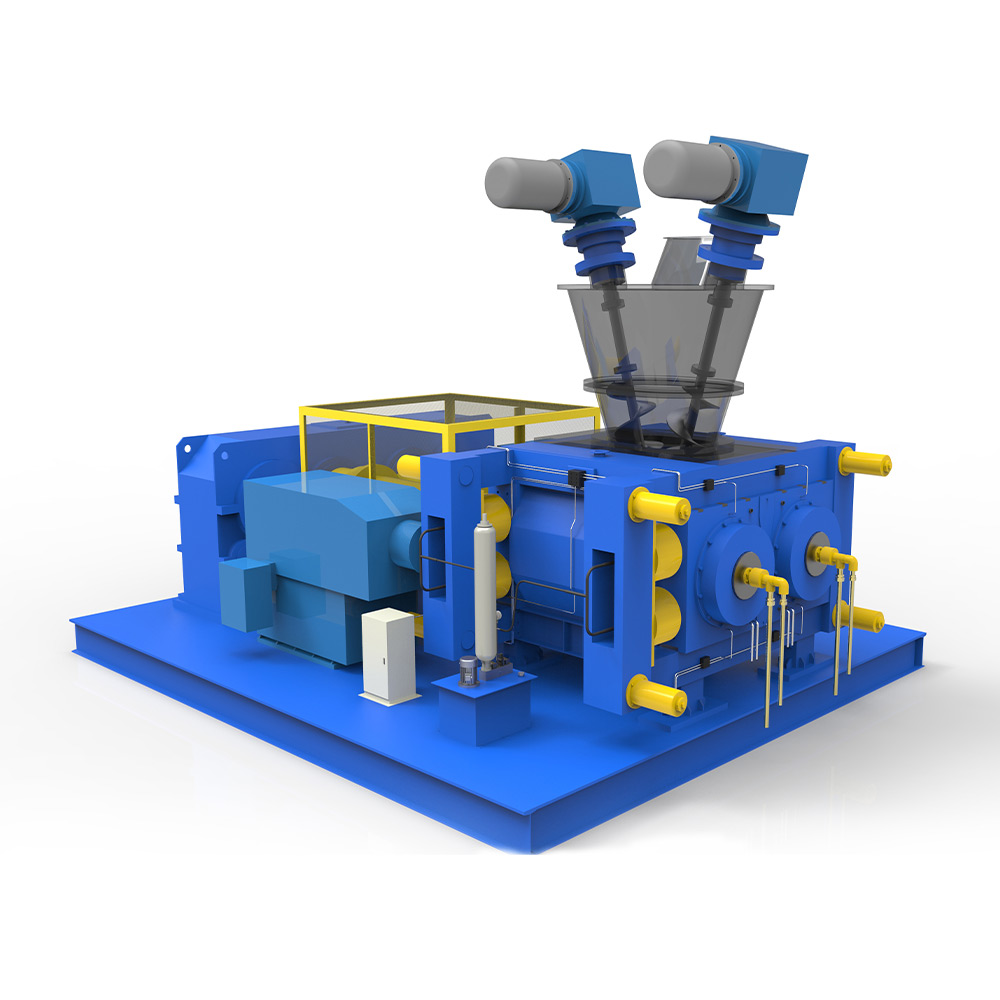
FUYI stands out as a leading global briquetting machine manufacturer specializing in heavy-duty compaction equipment. You can deploy the FUYI DH Series High-Pressure Roller Briquetting Press Machine to process mineral powders, metallic oxides, industrial ores, coal, and flue dust into uniform briquettes. The machine features an advanced dual-roller pre-compression screw design. This mechanism continuously feeds loose feedstocks into counter-rotating rollers to maintain structural density.
A VFD-controlled forced feeding screw resolves flowability issues with low-density materials. Hydraulic cylinders push the rollers together to deliver binderless or low-binder formation. FUYI equips these units with split or integral forged alloy roller sleeves featuring an HRC 60+ hardness rating. This extreme hardness provides necessary wear resistance against highly abrasive mineral feedstocks. You can scale production using models ranging from the compact DH240 to the heavy-duty industrial DH1550 system. The equipment supports continuous 24-hour plant operation.
Specification Parameter | Technical Range |
|---|---|
Roller Diameter | 240 mm to 1550 mm |
Linear Press Force | 35 KN/cm to 550 KN/cm (DH240: 35 KN/cm, DH1550: 550 KN/cm) |
System Power Options | 22 KW to double 630 KW configurations |
Feeding System Control | Variable Frequency Drive (VFD) forced pre-compression screw |
RUF Briquetting Systems
European industrial operations rely on premier European hydraulic equipment producers like RUF Briquetting Systems for heavy-duty compaction. You can install custom hydraulic pressing systems from RUF to process loose metal scrap, aluminum turnings, cast iron swarf, and industrial sludge. These hydraulic presses compress metal shavings into dense briquettes without added chemical binders.
Recycling plants preserve valuable cutting fluids by squeezing oils out of metallic residues during the high-pressure compression cycle. You can feed loose material directly into the hopper for continuous automated processing. RUF hydraulic systems reduce material volume dramatically. This space reduction lowers your storage overhead and optimizes freight transport logistics. Industrial foundries melt dense metal briquettes far more efficiently than loose swarf, which minimizes oxidation burn-off losses inside your melting furnaces.
Leading Biomass and Wood Briquetting Equipment Brands
Huaxin Wood Machinery
Plant managers select Huaxin Wood Machinery to convert raw timber residues and bulk forestry waste into high-density biomass fuel products. You can deploy Huaxin briquetting press equipment to compact soft wood shavings, coarse sawdust, tree bark, and industrial lumber trimmings. Heavy-duty hydraulic compression components process abrasive biomass feedstocks smoothly while maintaining consistent output block density. You reduce transport volume, optimize indoor warehouse storage, and streamline fuel handling operations.
Huaxin engineers high-capacity wood briquetting press systems to sustain continuous 24-hour plant operations. Heavy-duty hydraulic pistons push loose wood fibers through precision-engineered shaping dies under extreme pressure. You produce clean, high-value bio-fuel logs without adding costly chemical adhesives or synthetic binders. Industrial boiler operators, power facilities, and manufacturing plants burn these dense wood briquettes as direct coal replacements. You lower plant fuel procurement costs, improve combustion efficiency, and stabilize thermal energy output.
ABC Machinery
ABC Machinery designs versatile biomass briquetting equipment tailored for agricultural processors, recycling facilities, and bio-energy enterprises. You can compress loose agricultural waste like wheat straw, corn stalks, rice husks, sunflower shells, and peanut husks into solid industrial briquettes. The equipment utilizes heavy-duty screw extrusion presses and hydraulic piston drives to convert bulky, low-density crop waste into uniform, high-density energy logs.
You gain distinct operational advantages through intelligent machine design and high-efficiency electric drives. ABC Machinery builds customer-centric, custom system layouts to serve key target sectors including recycling plants, power generation facilities, and manufacturing industries. Continuous automated feeding systems control material throughput without requiring constant manual operator oversight.
Core technical capabilities include:
High-capacity operational throughput designed for continuous biomass processing
Energy-efficient drive motors that lower overall electrical power consumption
Customized machinery layouts configured specifically for challenging organic feedstocks
Procurement managers select these robust biomass systems to eliminate expensive waste disposal costs. You convert loose organic waste into highly profitable bio-fuel products.
Top Industrial Metal and Mineral Compaction Specialists
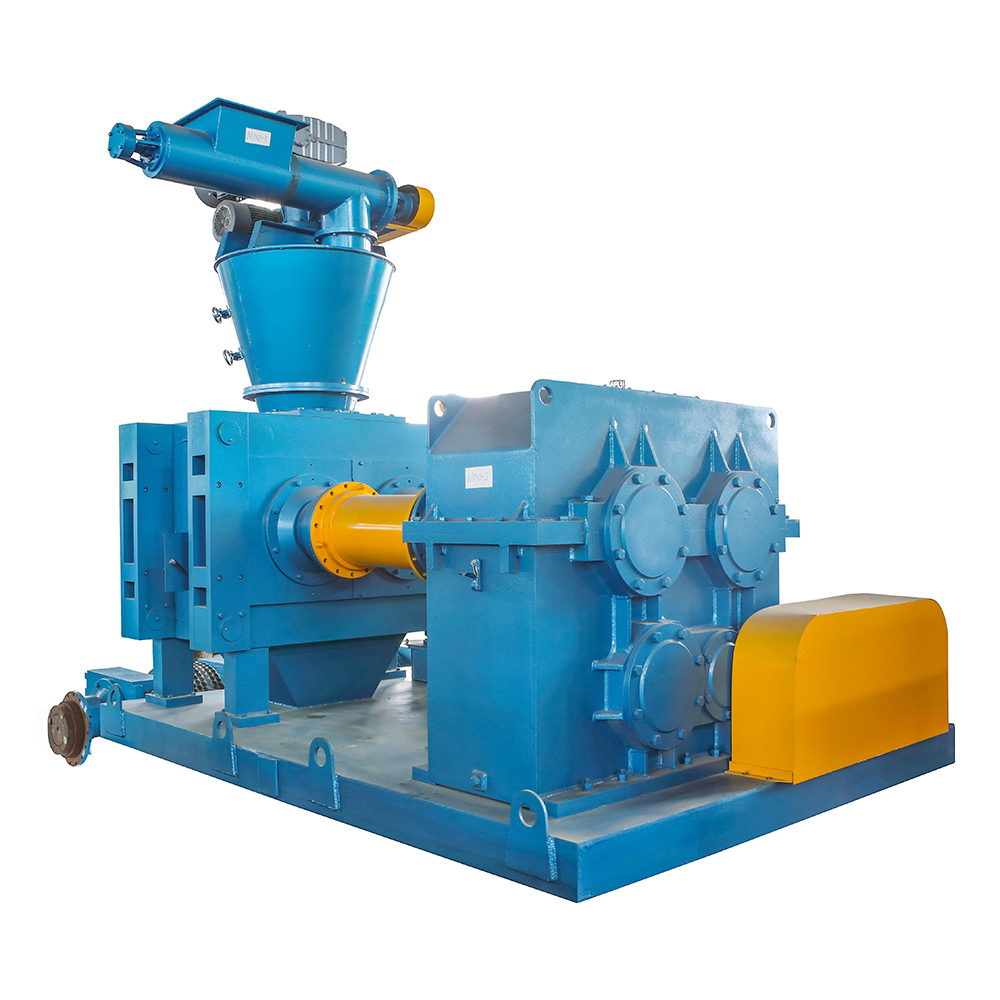
Industrial plant operations require heavy-duty compaction machinery to process mineral dust and metallic scrap efficiently. Specialized manufacturers like ZONEDING engineer high-pressure roller briquetting presses specifically for these challenging materials. You can deploy their specialized solutions, including aluminite powder briquetting machines, mineral powder briquetting machines, metal powder briquetting machines, and complete dry powder briquetting plants. These heavy industrial units apply extreme pressure to convert loose mineral and metallic powders into dense, manageable briquettes.
WEIMA Machinery
WEIMA Machinery manufactures high-performance hydraulic compactors built for dense metal processing and recycling applications. You can feed aluminum shavings, steel turnings, copper swarf, and brass scrap directly into WEIMA hydraulic presses. Heavy hydraulic rams compress loose metal residues into solid blocks without requiring added chemical binders.
You recover valuable cutting fluids and industrial coolants during the active pressing cycle. The high compression force squeezes residual liquids out of metal swarf into collection trays for immediate filtration. Compacting metal scrap reduces total storage volume in your warehouse. You lower transport costs while maximizing melting yields inside industrial foundry furnaces. Dense metal briquettes submerge quickly into liquid metal baths, which prevents material loss from surface oxidation.
Ecostan Infrastructure
Ecostan Infrastructure builds heavy-duty compaction equipment designed for intensive industrial material recovery. You can integrate Ecostan systems into your plant line to handle diverse mineral residues, industrial sludge, and heavy byproduct waste. Heavy-duty construction ensures continuous performance across demanding industrial environments.
You optimize plant floor safety by eliminating loose dust piles and uncompressed scrap heaps. Ecostan engineering focuses on durable mechanical components to minimize regular maintenance downtime. Plant managers rely on these machines to lower waste disposal fees and streamline daily waste management. Converting loose industrial dust into sturdy briquettes creates clean handling routines for your workforce. You improve overall plant operational efficiency while generating new revenue streams from dense recycled products.
Premier Regional and High-Capacity Equipment Producers
Jay Khodiyar Machine Tools
You can deploy Jay Khodiyar Machine Tools equipment to process massive volumes of agricultural residues and forestry waste. The Indian machinery manufacturer builds high-capacity jumbo briquetting press systems designed for continuous heavy-duty plant operation. These heavy machines process groundnut shells, sugarcane bagasse, mustard stalks, and raw wood sawdust without adding synthetic binding chemicals. You transform bulky agricultural waste into high-density bio-energy fuel logs easily. You can operate these heavy briquetting systems continuously across demanding production environments.
Plant managers select these heavy mechanical press systems to lower plant operational costs and maximize daily production output. The rugged engineering design features massive heavy flywheels and reinforced structural steel frames to absorb continuous high-impact forces. You reduce fuel procurement expenses by supplying industrial power boilers with uniform biomass briquettes. You also lower total carbon emissions while generating profitable revenue streams from raw organic waste materials.
Oilmax Systems
Oilmax Systems specializes in manufacturing industrial metal chip briquetting presses and integrated coolant recovery machinery. You can feed wet metal turnings, cast iron swarf, brass borings, and aluminum chips directly into their heavy hydraulic pressing systems. The machine compresses loose metallic scrap into solid, high-density briquettes while squeezing out expensive cutting oils. You collect and filter reclaimed liquid coolants immediately for direct re-use inside your CNC machine shop. This automated fluid recovery process cuts your raw liquid procurement costs significantly.
You improve overall plant safety by keeping operational workshop floors clean and free from hazardous oil spills. The compact equipment footprint allows you to install these presses directly beside active metal cutting lines. Dense metal briquettes occupy significantly less storage space inside your recycling warehouse facility. Industrial foundries pay premium prices for dense metal briquettes because solid briquettes submerge quickly into liquid metal baths and reduce oxidation losses during furnace melting cycles. You simplify scrap transport logistics and boost your operational scrap recovery profits.
High-Performance Screw and Piston Press Innovators
C.F. Nielsen A/S
You can implement mechanical piston briquetting presses from C.F. Nielsen A/S to process high volumes of wood waste, agricultural residues, and demotion timber. The Danish manufacturer engineers heavy-duty piston presses that utilize continuous mechanical impacts to compress loose organic fibers. You force raw feedstocks through precision tapered dies without applying expensive chemical binders or external adhesives. High compression temperatures naturally melt wood lignin to bind the material into dense structural fuel logs.
You scale your plant production capacity efficiently with these robust mechanical presses. Heavy flywheels store kinematic energy to deliver strong impact forces while reducing energy consumption per ton produced. The automated control system monitors die temperature and pressure levels continuously to prevent material blockages. Industrial energy plants, district heating facilities, and boiler operators burn these uniform fuel logs to replace coal, cut carbon emissions, and lower daily operational costs.
Ronak Engineering
You can deploy biomass briquetting machinery from Ronak Engineering to turn agricultural waste into high-density industrial fuel. The Indian machinery producer manufactures specialized screw extrusion presses and heavy-duty binderless briquetting machines. You feed challenging agricultural residues like cotton stalks, mustard waste, sugarcane bagasse, and sawdust directly into the heavy hopper system. High-performance drive motors power the main screw shafts to press loose feedstocks into solid bio-energy logs smoothy.
You maintain low operating costs across your production facility by installing wear-resistant components from Ronak Engineering. Specialized alloy screws handle abrasive plant fibers while extending uninterrupted operational cycles. You cut raw material processing expenses because the equipment processes variable moisture content without requiring expensive pre-drying routines. Manufacturing plants, industrial foundries, and commercial brick kilns consume these dense biomass briquettes to generate thermal energy cleanly and replace expensive fossil fuels.
How to Choose a Briquetting Machine Manufacturer
Raw Material Compatibility and Roller Specs
You must evaluate feedstocks carefully before choosing an equipment supplier. Processing mineral powders, metallic oxides, flue dust, or biomass residues requires tailored feeding mechanisms. A premier briquetting machine manufacturer installs variable frequency drive pre-compression screws. These powered feeding systems force light feedstocks directly into counter-rotating rollers to maintain uniform output density.
Highly abrasive materials cause rapid mechanical wear on critical press parts. You should require hardened alloy roller sleeves with a minimum HRC 60+ rating. Split or integral forged alloy construction extends component operational life during demanding 24/7 plant operations. Selecting the correct roller socket shape guarantees dense briquette production across continuous operating cycles.
Pressure Rating and Energy Efficiency
Hydraulic systems supply linear pressing forces from 35 KN/cm up to 550 KN/cm. Ultra-high compaction force enables low-binder or binderless briquette formation. Your drive power requirements range from 22 KW motors up to double 630 KW configurations. Energy-efficient drive assemblies cut long-term power consumption across daily processing routines.
You must evaluate total system costs against expected operational output. Cheaper machines often cause high energy consumption and frequent maintenance downtime. Higher equipment investments deliver reliable production cycles and pay for themselves faster through lower operational costs.
Machine Type | Capacity | Price Range |
|---|---|---|
Small hydraulic press (workshop) | 50–300 kg/h | $5,000–$15,000 |
Biomass briquette production line | 500 kg/h–2 TPH | $30,000–$150,000 |
Mechanical stamping press | 1–3 TPH | $50,000–$150,000 |
Metal briquetting machine (industrial) | 500 kg/h–5 TPH | $80,000–$300,000 |
Evaluating long-term financial returns requires analyzing several critical plant parameters:
Raw material availability and processing volume
Local labor costs and waste disposal expenses
Machine operating hours and routine maintenance requirements
Briquette selling prices and regional market demand
Installing heavy-duty equipment protects your initial capital outlay across continuous production schedules. Dependable machinery maintains high output quality, minimizes unplanned downtime, and lowers your overall raw material processing expenses.
Industrial Cost and ROI Evaluation
Equipment Pricing and Capacity Ranges
Plant managers evaluate initial financial commitments directly against target production throughput. Entry-level hydraulic workshop presses cost between $5,000 and $15,000 for small processing capacities ranging from 50 to 300 kg/h. Larger biomass briquette production lines cost $30,000 to $150,000 and deliver daily outputs from 500 kg/h up to 2 TPH. You select specific equipment configurations based on your plant processing goals and feedstock availability. Matching your processing capacity to actual feedstock supply prevents underutilization of high-value capital assets.
Heavy industrial operations demand larger capital outlays to sustain high continuous processing throughput. Mechanical stamping presses cost between $50,000 and $150,000 while processing 1 to 3 TPH of raw waste. Specialized industrial metal briquetting machines require investments ranging from $80,000 to $300,000 to compress 500 kg/h to 5 TPH. Partnering with a reliable briquetting machine manufacturer helps you select system drive options that match your volume requirements cleanly. Proper drive selection minimizes electrical power consumption during daily processing routines.
After-Sales Support and Maintenance Costs
You must factor ongoing servicing expenses into your long-term return on investment calculations. A top briquetting machine manufacturer provides essential spare components, technical guidance, and hands-on training for your plant operators. High-pressure compaction of abrasive mineral powders wears down mechanical parts during continuous plant operation. Installing hardened forged alloy roller sleeves reduces component replacement frequency and lowers direct long-term maintenance costs. Timely replacement of wear items preserves output briquette density and stabilizes operational throughput.
Routine servicing schedules prevent unexpected equipment shutdowns and protect your overall plant revenue. You calculate net financial return by subtracting raw material expenses, energy usage, and maintenance costs from your total briquette sales revenue. Scheduled preventive maintenance preserves drive assemblies, maintains consistent hydraulic pressure, and extends total machine operating life. Responsive customer support ensures fast spare part deliveries, maximizes active machinery uptime, and guarantees predictable capital returns for your recycling facility.
Selecting the right briquetting machine manufacturer depends on your specific raw feedstock. Mineral dust and coal fines demand extreme hydraulic pressure with hardened alloy sleeves. Metal swarf requires liquid extraction features. Wood sawdust needs continuous screw pre-compression.
You must evaluate after-sales support before purchasing equipment. Top producers provide spare parts, machine installation, operator training, and maintenance support. Factory-trained field technicians perform onsite repairs within a couple of days. Preventative maintenance agreements receive individual quotes based on machine type and plant location.
Contact machinery suppliers to send raw material samples for lab pressing tests. Request custom engineering quotes today to optimize your plant layout.
FAQ
What raw materials can high-pressure roller briquetting machines process?
You can process mineral powders, metallic oxides, industrial ores, coal, flue dust, metal scrap, and biomass residues. Heavy-duty press machines compact these loose feedstocks into uniform briquettes using binderless or low-binder formation.
How much press force do heavy industrial briquetting presses deliver?
Industrial models deliver linear pressing forces ranging from 35 KN/cm up to 550 KN/cm. Robust hydraulic cylinders push counter-rotating rollers together to achieve ultra-high material compaction.
Why do roller sleeves require an HRC 60+ hardness rating?
A hardened rating of HRC 60+ provides extreme wear resistance against abrasive mineral and metallic powders. Forged alloy sleeves with this hardness extend mechanical operating life during continuous 24-hour plant operations.
How much does an industrial briquetting machine cost?
Equipment prices range from $5,000 for small workshop presses up to $300,000 for heavy-duty metal compacting systems. Total costs depend on your required output capacity, drive power, and automation level.


