


What is dry granulation
Dry granulation lets you turn powder into solid granules without using water or heat. This method helps you handle materials that break down easily when exposed to moisture or high temperatures. You see advanced dry granulator machines in modern factories because they deliver reliable results and keep production safe. The global market for dry granulated excipients is growing fast, reaching US$1.5 billion in 2025, driven by the need for better drug manufacturing. You gain valuable skills by learning about dry granulation, whether you work in industry or study science.
Key Takeaways
Dry granulation transforms powders into solid granules without water or heat, making it ideal for moisture-sensitive materials.
The process involves mixing, compacting, milling, and sieving, which saves time and energy compared to wet granulation.
Using dry granulation reduces contamination risks and maintains product stability, especially for sensitive pharmaceuticals.
Advanced dry granulators, like the DH-360, enhance efficiency and safety in production, ensuring high-quality granules.
Choose dry granulation for cost-effective manufacturing, especially when working with delicate ingredients that cannot tolerate moisture or heat.
What is dry granulation?
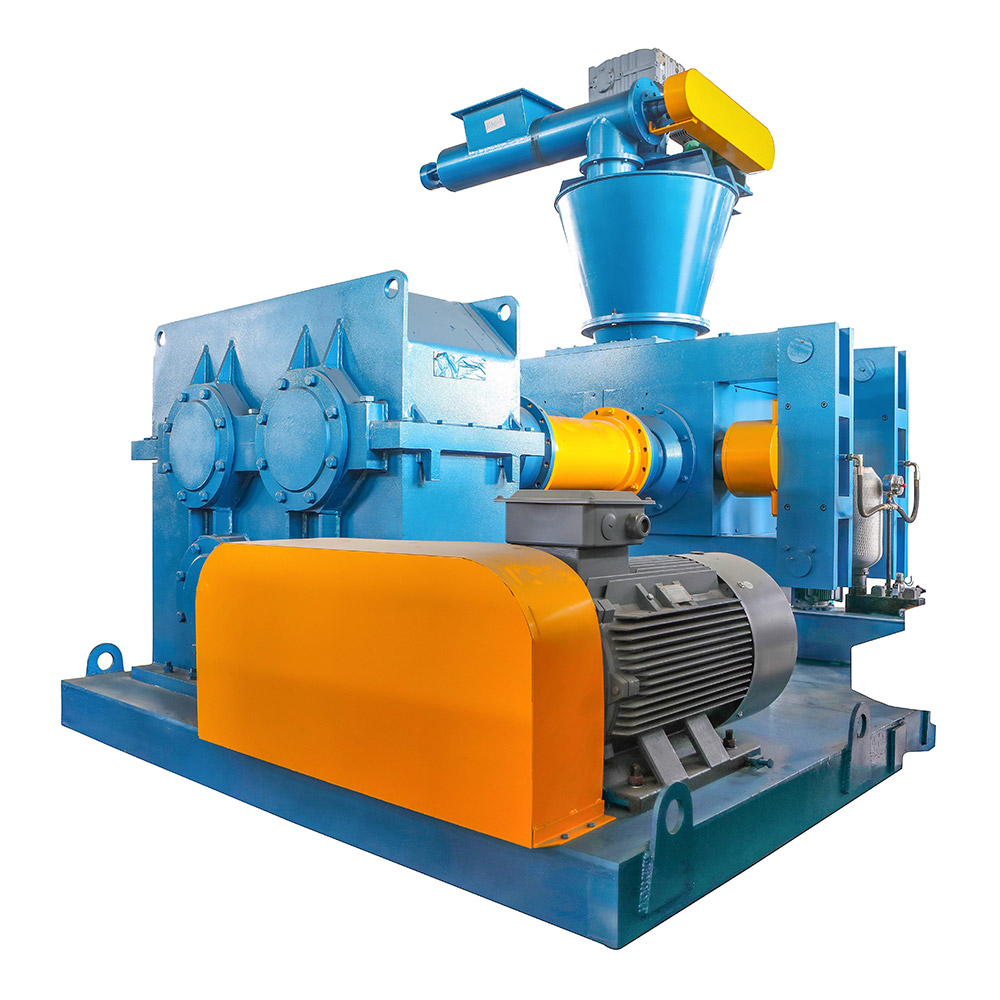
Definition and principles
You use dry granulation to turn powder into solid granules without adding water or solvents. Scientists define dry granulation as a method that relies on mechanical compression. You press powders under high pressure, usually with a roller compactor or tablet press. This process forms a solid mass, which you then break down into granules.
Dry granulation follows several key steps. First, you mix the active ingredients and excipients. Next, you compact the powder using slugging or roller compaction. After compaction, you mill the solid mass to create granules of the desired size. Finally, you sieve the granules to ensure uniform particle size. Here is a simple table that shows these steps:
Step | Description |
|---|---|
Powder Mixing | You combine active ingredients and excipients. |
Compaction | You densify powders using slugging or roller compaction. |
Milling | You reduce the compacted material into granules of the size you need. |
Sieving | You ensure the granules have a uniform particle size. |
You benefit from dry granulation because it reduces production time and improves product stability. You do not need a drying step, which saves energy and makes the process faster. The absence of liquid binders eliminates moisture-related risks. This makes dry granulation ideal for heat-sensitive materials. You avoid degradation that can happen with wet granulation because there are no chemical reactions from liquid binders.
Key differences from wet granulation
You may wonder how dry granulation differs from wet granulation. The main difference lies in the use of liquid binders and the need for drying. In wet granulation, you mix powders with a liquid binder, form wet granules, and then dry them. Dry granulation skips the binder and drying steps. You compact the powder directly and then mill it into granules.
Here is a quick comparison:
Aspect | Wet Granulation | Dry Granulation |
|---|---|---|
Production Steps | Powder → Mix with binder → Wet granules → Dry → Mill/sieve | Powder → Compact (ribbon/slugs) → Mill/sieve (skip drying) |
Binder | Liquid binder required | No binder used |
Drying | Drying step needed | No drying step |
Suitability | Not ideal for moisture- or heat-sensitive materials | Perfect for moisture- and heat-sensitive materials |
You see that dry granulation offers a simpler process. You avoid extra steps and reduce energy use. You also protect sensitive materials from moisture and heat. If you use a dry granulator, you can achieve efficient granulation without risking product stability.
Tip: Choose dry granulation when you need to process powders that cannot handle moisture or heat. You save time and energy, and you get stable granules.
Dry granulator process
Step-by-step overview
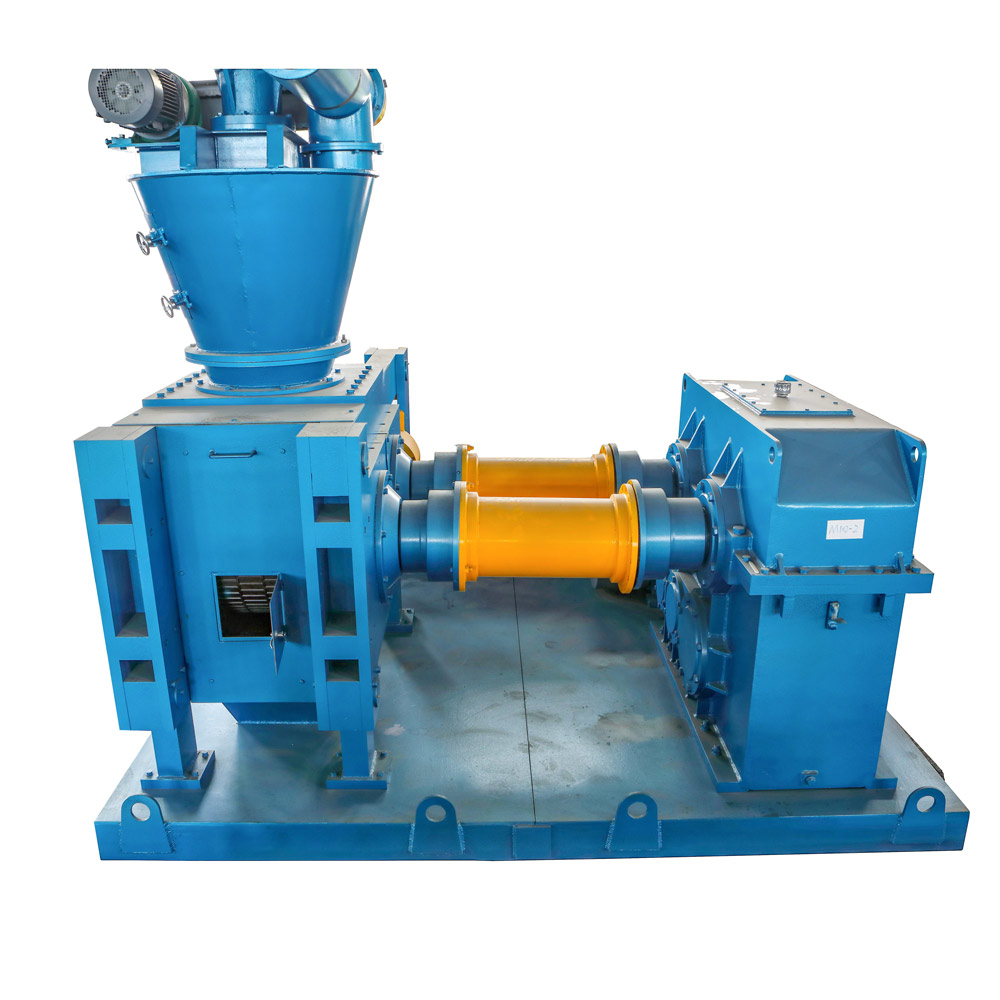
You can understand the dry granulator process by looking at each stage. The DH-360 Dry Type Roller Compactor Granulator from Jiangsu Fuyi Machinery Technology Co., Ltd. shows how advanced technology makes this process efficient and reliable. Here is a simple step-by-step overview:
Feeding: You start by mixing powders with excipients and feeding them into the machine. The DH-360 uses a screw feeder to deliver material steadily.
Compaction: The machine compresses the powder between two large rollers. This step forms dense sheets or flakes by removing air and increasing density.
Flaking: The compacted material comes out as solid flakes or ribbons.
Crushing: You break these flakes into smaller pieces using a pre-crusher.
Sieving: You screen the crushed material to get granules of the right size. Oversized pieces go back for further crushing.
Note: This process does not use water or heat, so you can handle moisture- and heat-sensitive materials safely.
Main equipment used
You find two main types of dry granulator equipment in industry. Each type fits different production needs. The DH-360 is a roller compactor, which is common for continuous and high-volume production.
Equipment Type | Description | Applications |
|---|---|---|
Slugging Presses | Heavy-duty tablet presses that compact powder into large tablets, or ‘slugs’. | Low volume production, simple formulations, early stage R&D, pilot batches, budget alternatives. |
Roller Compactors | Machines that compress powder between two counter-rotating rollers to form ribbons. | Medium to high volume production, complex formulations, continuous or semi-continuous manufacturing. |
The DH-360 stands out with its 360 mm diameter rollers and output capacity of 0.9–1.5 tons per hour. You can use it for both small and medium-scale production. It also integrates with crushers and screening machines to create a complete production line.
Critical process factors
You need to pay attention to several factors to get the best results from a dry granulator. The design of the rollers and the feed system play a big role in how well the machine works. A good roller design helps you get granules with even density. The feed system must deliver powder smoothly to avoid clumps or gaps.
Roller compaction works well for moisture-sensitive ingredients.
You can process sensitive compounds without breaking them down.
This method is important in pharmaceutical manufacturing, especially in high-containment environments.
Safety is also important. Advanced machines like the DH-360 use stainless steel parts, clean-in-place systems, and dust removal features. These keep your product safe and help you meet strict industry rules.
Tip: Always check that your dry granulator has proper safety features and can connect with other machines for a smooth workflow.
Advantages of dry granulation
Benefits for moisture-sensitive materials
You often need to process powders that cannot touch water or heat. Dry granulation gives you a safe way to handle these materials. You use mechanical compression, which means you press the powder together without adding any liquid. This keeps your ingredients safe and strong.
You avoid moisture, so your sensitive compounds do not break down.
You do not use heat, which protects ingredients that can get damaged at high temperatures.
You keep the quality of your product high because the process does not change the chemical structure.
You reduce the risk of contamination since you use fewer steps and less handling.
You can trust a dry granulator to work well with delicate pharmaceutical powders.
Tip: If you work with vitamins, antibiotics, or other sensitive drugs, dry granulation helps you keep them stable and effective.
Efficiency and cost savings
You want your production to be fast and cost-effective. Dry granulation helps you reach these goals. The process uses fewer steps, so you save time and energy. You do not need to dry your product, which means you use less electricity and finish faster.
Here is a simple table that shows how dry granulation compares to wet granulation:
Aspect | Dry Granulation | Wet Granulation |
|---|---|---|
Energy Consumption | Lower (no drying needed) | Higher (drying and solvent handling) |
Production Time | Shorter, more efficient | Longer, more steps |
Risk of Contamination | Lower, less handling | Higher, more handling |
Cost Efficiency | More cost-effective | Higher costs due to extra processes |
You also get better material flow and easier compression. This makes your whole manufacturing process smoother. When you use a dry granulator, you support continuous production and lower your overall costs.
Note: Dry granulation is a smart choice for companies that want to save money and protect sensitive ingredients.
Disadvantages of dry granulation
Limitations and challenges
You may find that dry granulation has some challenges in both pharmaceutical and chemical industries. You need to learn how to adjust your equipment settings with care. This can take time and practice. You also need more equipment than you would for direct compression, even though you use less than in wet granulation.
You must control the heat and dust that come from mechanical friction. This is important for heat-sensitive ingredients and for keeping your workspace clean.
You may see inconsistent granule sizes if you do not set your compactor correctly. This can lead to extra fine powder, called "fines," which you need to manage.
Dry granulation does not bind powders as strongly as wet granulation. You need to choose your excipients carefully to make sure your granules hold together.
When you scale up your process, you can face new problems. Here is a table that shows common challenges and how you can solve them:
Challenge | Solution |
|---|---|
Poor flowability | Adjust your compaction or milling settings |
Inconsistent granule size | Check and adjust your roller pressure and screen size |
Dusting or excess fines | Use a coarser screen or reduce your mill speed |
Capping, lamination, chipping | Make granules more uniform and reduce fines |
Granules not bonding properly | Change your excipient mix or add the right binder |
Tip: You can solve most problems by making small changes to your process or formula.
Product quality considerations
You want your granules to be consistent and high quality. Dry granulation helps you make granules that fill tablet dies evenly and give accurate doses. This is important for medicines and chemicals. You do not need to use water or binders, so you protect heat-sensitive ingredients.
Here is a table that compares dry and wet granulation:
Granulation Type | Effect on Uniformity | Effect on Quality |
|---|---|---|
Dry Granulation | Makes consistent granules for good dosing | Good for heat-sensitive materials, no binders needed |
Wet Granulation | Makes larger, more uniform granules | Improves flow and reduces clumping |
You must check your granules often to keep quality high. You should:
Monitor granule size for evenness.
Make sure active ingredients mix well.
Check how granules flow into tablet dies.
Test flowability with simple lab tests.
Watch moisture content, especially for ingredients that absorb water.
Note: Careful quality checks help you get the best results from dry granulation.
Applications of dry granulator
Pharmaceutical industry
You see dry granulator technology used widely in the pharmaceutical industry. This method helps you make tablets and capsules, especially when you need to avoid water or heat. You can use a dry granulator for small to medium-scale production, pilot batches, and continuous operations. Machines like the DH-360 work well for these tasks because they handle powders gently and efficiently.
Many common medicines use dry granulation. Here is a table that shows some examples:
Pharmaceutical Products |
|---|
Oral antibiotics |
Anti-inflammatories |
Pain killers |
Veterinary drugs |
You also use dry granulation to make controlled-release tablets. The process includes these steps:
Blending: You mix active ingredients and excipients to get a uniform blend.
Compaction: You compress the blend with a roller compactor to form a ribbon or sheet.
Milling/Sieving: You break the compacted material into granules of the right size for tablet making.
Note: Dry granulation helps you keep sensitive ingredients stable and ensures each tablet has the right amount of medicine.
Other industries and products
You find dry granulator machines in many industries besides pharmaceuticals. Here is a table that shows where you might use this technology:
Industry | Description |
|---|---|
Pharmaceuticals | Makes medicines and supplements. |
Chemicals | Produces chemical powders and granules. |
Food Processing | Forms food products like instant drinks. |
Cosmetics | Creates powders for makeup and skincare. |
In fertilizer and food processing, you use dry granulation to turn fine powders into larger, uniform granules. This makes handling and nutrient delivery easier. The process works best with materials that have low moisture content. You press the powder between two rollers to form granules without adding water or binders. This method saves money and energy, especially for small and medium-sized factories.
Tip: If you want a cost-effective way to make granules in many industries, dry granulation gives you flexibility and reliable results.
Dry granulation vs wet granulation
Process comparison
You can see clear differences between dry granulation and wet granulation when you look at how each process works. In wet granulation, you add a liquid binder to your powder. This step helps powders stick together and form larger granules. After you add the liquid, you must dry the mixture. This drying step uses a lot of energy and takes extra time. Wet granulation works well when you want to improve powder flow or reduce dust.
Dry granulation skips the liquid and drying steps. You use mechanical force to press powders together. This method works best for powders that do not need extra help to stick. You avoid exposing your materials to moisture or heat. This keeps sensitive ingredients safe.
Here is a table that shows the main differences:
Factor | Wet Granulation | Dry Granulation |
|---|---|---|
Liquid step | Yes | No |
Drying step | Usually yes | No drying stage |
Why it’s chosen | Stabilize blends, improve flow | Avoid moisture, shorten process |
Key pressure point | Liquid distribution, drying uniformity | Densification, sizing consistency |
Best fit | Dusty or unstable blends | Moisture-sensitive, reliable densification |
You also use less energy with dry granulation. You do not need to run dryers or handle solvents. This means you lower your environmental impact and reduce risks from leftover solvents or microbes.
When to choose each method
You should think about your material and your goals before you pick a granulation method. Dry granulation works best if you have powders that break down with water or heat. You also save money because you do not need big dryers or mixers. If you want a simple process and need to run production all the time, dry granulation is a smart choice.
Wet granulation helps when you have powders that do not stick together easily. You can change the binder content to make stronger granules. This method fits well for fluffy or non-cohesive powders.
Here is a table to help you decide:
Factor | Dry Granulation | Wet Granulation |
|---|---|---|
Material Sensitivity | Good for moisture/heat-sensitive | Good for fluffy, hard-to-granulate |
Formulation Goals | Simple blends | Custom binder for strength |
Production Scale/Budget | Lower cost, continuous | Higher cost, more equipment |
Regulatory/History | May follow past choices | Often standard in some industries |
Tip: If you work with moisture- or heat-sensitive materials, dry granulation protects your product and saves energy. If you need to improve powder flow or make very strong granules, wet granulation may be better.
You have learned that dry granulation offers a fast and safe way to make granules, especially for moisture- and heat-sensitive materials. Here is a quick look at the main points:
Advantages | Limitations |
|---|---|
No Water Required | Higher generation of fines |
No Drying Step | May affect content uniformity |
Faster Manufacturing Process | |
Good for sensitive products |
You should choose the right granulation method and equipment for your needs. Advanced dry granulator technologies help you control the process better. This leads to higher product quality and more efficient manufacturing.
FAQ
What materials work best with dry granulation?
You can use dry granulation for powders that break down with water or heat. This includes vitamins, antibiotics, and some chemicals. Dry granulation also works well for materials that flow easily and do not need extra binders.
How does a dry granulator improve safety?
You avoid using water or solvents, so you reduce fire and contamination risks. Machines like the DH-360 have dust removal systems and safety covers. These features protect you and keep your workspace clean.
Can you adjust granule size with dry granulation?
Yes! You can change roller pressure, screen size, and milling speed. This lets you make granules from 2 to 5 mm. You get the size you need for your product.
What industries use dry granulation?
You see dry granulation in many industries:
Pharmaceuticals
Chemicals
Food processing
You can use this method wherever you need safe, dry, and efficient granule production.


